

Time:2026-06-26

In April 2026, Nature Communications published a significant study from MIT that revealed young mice exposed to NDMA had a substantially higher cancer risk compared to adult mice.
01 A neglected issue
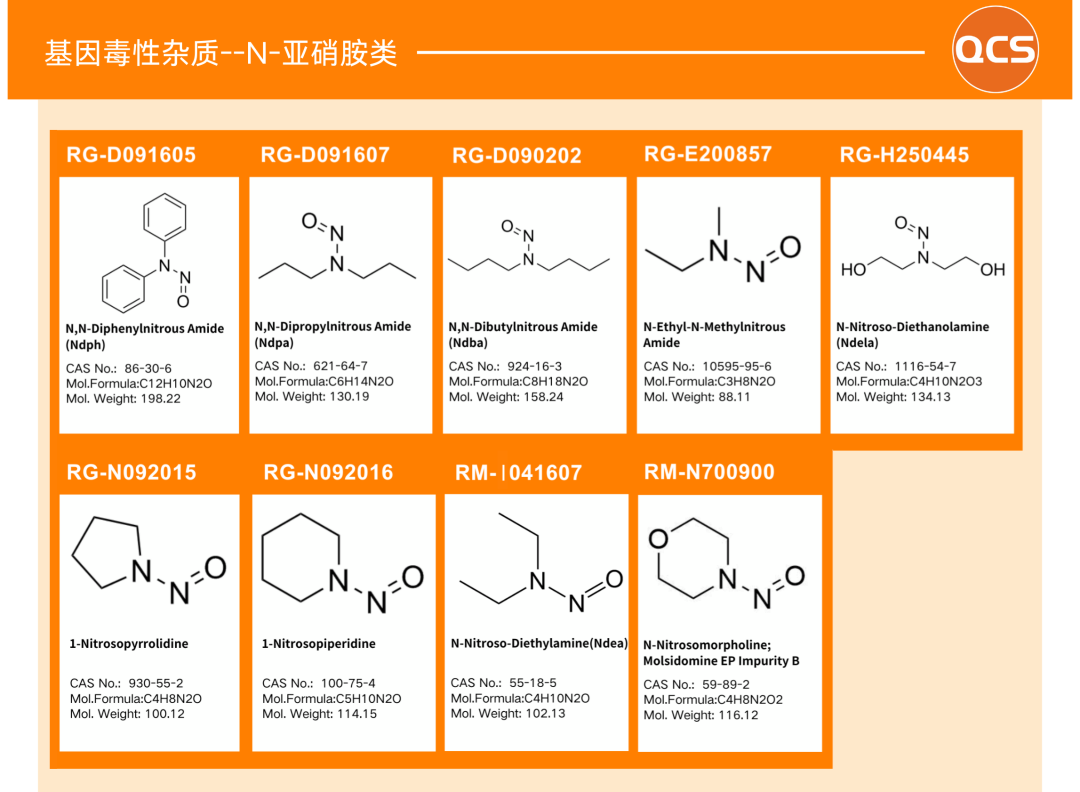
Nitrosamine impurities (such as NDMA) have frequently made headlines in drug safety news over the past few years.
From valsartan to ranitidine, from metformin to rifampicin, numerous commonly prescribed medications have been subject to large-scale recalls due to the detection of NDMA or other nitrosamine impurities. Major global drug regulatory authorities—including the FDA, EMA, and NMPA—have successively issued guidelines requiring pharmaceutical companies to conduct nitrosamine risk assessments for drugs containing amine structures.
However, within these regulatory frameworks, safety limits (such as the Daily Acceptable Intake [DAI]) are almost entirely derived from extrapolations based on adult data. A fundamental issue remains unresolved.
Do children and adults face the same risk when exposed to the same levels of nitrosamines?
In April 2026, a research team from the Massachusetts Institute of Technology (MIT) published a study in Nature Communications that provided the first definitive mechanistic explanation for this phenomenon.
02 How was the study conducted?
The research team employed a specialized genetically engineered mouse model—the Aag⁻/⁻; Mgmt⁻/⁻ double gene knockout mouse.
In simple terms, these two genes are responsible for repairing DNA alkylated damage (NDMA exerts its toxicity precisely through alkylated DNA). Knockout of these genes severely impairs the DNA repair capacity of mice, mimicking the most sensitive and detrimental genetic background in humans to nitrosamines. This design aims to clearly observe the carcinogenic mechanism of NDMA in vitro rather than simulating the normal physiological state of healthy individuals.
The researchers divided the mice into two groups.
· Infant group: 3 weeks of age (equivalent to early childhood in humans)
· Adult group: 8 weeks of age (equivalent to adult humans)
Both groups of mice were simultaneously exposed to NDMA via drinking water at a concentration of approximately 5 ppm (mg/L) for two weeks, followed by systematic monitoring of DNA damage, inflammatory responses, genetic mutations, and the entire process up to tumor development.

03 Three Key Findings
Discovery One:The damage caused by nitrosamines is more severe in younger age groups.
The results demonstrated a striking contrast. Young Aag⁻/⁻; Mgmt⁻/⁻ mice exhibited significant behavioral changes following NDMA exposure.
· Persistent DNA damage (uneliminated)
· Persistent inflammatory response in the liver
· High-frequency genetic mutations
· It eventually progressed to liver tumors (more pronounced in male mice).
In adult mice under identical exposure conditions, almost no significant pathological changes were observed.
This result provides the first direct evidence that age can fundamentally alter the carcinogenic outcomes of nitrosamines—at least in mouse models with DNA repair defects.
Discovery Two:The starting points of DNA damage are identical, but the repair outcomes differ.
The most insightful finding of the study was that there was no significant difference in initial DNA damage levels between young and adult mice following exposure. In other words, the amount of DNA adducts formed by NDMA in the livers of both groups of animals was comparable. The "starting point" of damage was identical.
However, the subsequent events were markedly different: in juvenile animals with limited DNA repair capacity, these damages failed to be effectively repaired and instead progressed into double-strand DNA breaks—one of the most severe forms of genetic damage. In rapidly proliferating tissues such as the liver, where cells continuously divide, damaged DNA is replicated and transmitted to daughter cells, significantly increasing the likelihood of erroneous repairs and leading to cumulative mutations that ultimately trigger inflammation and tumorigenesis.
Adult animals possess more sophisticated repair mechanisms, enabling them to promptly address injuries and prevent their progression toward mutations and carcinogenesis.
Discovery Three:Cell proliferation is the core driving force behind "age-related differences".
To validate the aforementioned mechanism, the research team designed a sophisticated validation experiment.
They utilized thyroid hormone (triiodothyronine) to stimulate hepatocyte proliferation in adult mice, artificially creating a cell division environment similar to that of a juvenile state.
The results are compelling: under thyroid hormone stimulation, the sensitivity of adult mice to NDMA significantly increased, partially reproducing the susceptibility characteristics observed in juvenile mice.
This discovery identifies the cell proliferation rate as the core driver of age-related risk differences. In juvenile animal organs, which are in a period of rapid growth and development with active cell division, the risk of carcinogenesis increases exponentially if DNA damage is not promptly repaired.
04 Significance and Implications of the Study
Implications for drug regulation
Currently, the FDA, EMA, and NMPA primarily employ a daily acceptable intake (AI) framework based on adult data for risk management of nitrosamine impurities.
This study suggests that
The safety thresholds established based on adult populations may require reevaluation for children—but this does not imply that existing standards are "invalidated"; rather, it suggests that regulatory authorities should incorporate children as a sensitive population in future standard revisions.
In fact, regulatory authorities have already recognized the complexity of this issue.
· As early as 2020, the NMPA issued the "Technical Guidelines for Research on Nitrosamine Impurities in Chemical Drugs (Trial)", requiring pharmaceutical manufacturers to assess risks throughout the entire product lifecycle.
· The FDA extended the implementation period for the provisional AI limits of NDSRIs until August 2026 in July 2025.
· The EMA updated the list of nitrosamine impurity limits in March 2026, adding limits for 13 additional impurities.
This new study provides a novel scientific perspective for risk assessment of nitrosamine impurities in pediatric medications, and is expected to facilitate the development of more refined standards.
05 Significance and Implications of the Study
NDMA is not a distant concept. It may be concealed in antihypertensive medications, present in drinking water, or even hidden within infant nipples.
This study published in a Nature subsidiary journal serves as a stark warning: identical exposure to pollutants may pose entirely different health risks for rapidly developing infants and young children.
This study has, for the first time, elucidated the age-dependent carcinogenic mechanism of NDMA at its source, integrating developmental stage, gender, and DNA repair capacity into the scientific framework for nitrosamine risk assessment. As the FDA, EMA, and NMPA continue to strengthen regulations on nitrosamine impurities, this paper provides a new scientific benchmark for regulatory authorities, pharmaceutical companies, and public health institutions.
Ultimately, protecting the most vulnerable populations constitutes the core mission of drug and food safety regulation.
literature reference :Volk, L. et al. Early life exposure to N-nitrosamine drives genotoxicity, mutagenesis, and tumorigenesis in DNA repair-deficient mice. Nature Communications (2026). DOI: 10.1038/s41467-026-71753-w
*The content of this article does not constitute medical advice and is for reference only.


In April 2026, Nature Communications published a significant study from MIT that revealed young mice exposed to NDMA had a substantially higher cancer risk compared to adult mice.
01 A neglected issue
Nitrosamine impurities (such as NDMA) have frequently made headlines in drug safety news over the past few years.
From valsartan to ranitidine, from metformin to rifampicin, numerous commonly prescribed medications have been subject to large-scale recalls due to the detection of NDMA or other nitrosamine impurities. Major global drug regulatory authorities—including the FDA, EMA, and NMPA—have successively issued guidelines requiring pharmaceutical companies to conduct nitrosamine risk assessments for drugs containing amine structures.
However, within these regulatory frameworks, safety limits (such as the Daily Acceptable Intake [DAI]) are almost entirely derived from extrapolations based on adult data. A fundamental issue remains unresolved.
Do children and adults face the same risk when exposed to the same levels of nitrosamines?
In April 2026, a research team from the Massachusetts Institute of Technology (MIT) published a study in Nature Communications that provided the first definitive mechanistic explanation for this phenomenon.
02 How was the study conducted?
The research team employed a specialized genetically engineered mouse model—the Aag⁻/⁻; Mgmt⁻/⁻ double gene knockout mouse.
In simple terms, these two genes are responsible for repairing DNA alkylated damage (NDMA exerts its toxicity precisely through alkylated DNA). Knockout of these genes severely impairs the DNA repair capacity of mice, mimicking the most sensitive and detrimental genetic background in humans to nitrosamines. This design aims to clearly observe the carcinogenic mechanism of NDMA in vitro rather than simulating the normal physiological state of healthy individuals.
The researchers divided the mice into two groups.
· Infant group: 3 weeks of age (equivalent to early childhood in humans)
· Adult group: 8 weeks of age (equivalent to adult humans)
Both groups of mice were simultaneously exposed to NDMA via drinking water at a concentration of approximately 5 ppm (mg/L) for two weeks, followed by systematic monitoring of DNA damage, inflammatory responses, genetic mutations, and the entire process up to tumor development.
03 Three Key Findings
Discovery One:The damage caused by nitrosamines is more severe in younger age groups.
The results demonstrated a striking contrast. Young Aag⁻/⁻; Mgmt⁻/⁻ mice exhibited significant behavioral changes following NDMA exposure.
· Persistent DNA damage (uneliminated)
· Persistent inflammatory response in the liver
· High-frequency genetic mutations
· It eventually progressed to liver tumors (more pronounced in male mice).
In adult mice under identical exposure conditions, almost no significant pathological changes were observed.
This result provides the first direct evidence that age can fundamentally alter the carcinogenic outcomes of nitrosamines—at least in mouse models with DNA repair defects.
Discovery Two:The starting points of DNA damage are identical, but the repair outcomes differ.
The most insightful finding of the study was that there was no significant difference in initial DNA damage levels between young and adult mice following exposure. In other words, the amount of DNA adducts formed by NDMA in the livers of both groups of animals was comparable. The "starting point" of damage was identical.
However, the subsequent events were markedly different: in juvenile animals with limited DNA repair capacity, these damages failed to be effectively repaired and instead progressed into double-strand DNA breaks—one of the most severe forms of genetic damage. In rapidly proliferating tissues such as the liver, where cells continuously divide, damaged DNA is replicated and transmitted to daughter cells, significantly increasing the likelihood of erroneous repairs and leading to cumulative mutations that ultimately trigger inflammation and tumorigenesis.
Adult animals possess more sophisticated repair mechanisms, enabling them to promptly address injuries and prevent their progression toward mutations and carcinogenesis.
Discovery Three:Cell proliferation is the core driving force behind "age-related differences".
To validate the aforementioned mechanism, the research team designed a sophisticated validation experiment.
They utilized thyroid hormone (triiodothyronine) to stimulate hepatocyte proliferation in adult mice, artificially creating a cell division environment similar to that of a juvenile state.
The results are compelling: under thyroid hormone stimulation, the sensitivity of adult mice to NDMA significantly increased, partially reproducing the susceptibility characteristics observed in juvenile mice.
This discovery identifies the cell proliferation rate as the core driver of age-related risk differences. In juvenile animal organs, which are in a period of rapid growth and development with active cell division, the risk of carcinogenesis increases exponentially if DNA damage is not promptly repaired.
04 Significance and Implications of the Study
Implications for drug regulation
Currently, the FDA, EMA, and NMPA primarily employ a daily acceptable intake (AI) framework based on adult data for risk management of nitrosamine impurities.
This study suggests that
The safety thresholds established based on adult populations may require reevaluation for children—but this does not imply that existing standards are "invalidated"; rather, it suggests that regulatory authorities should incorporate children as a sensitive population in future standard revisions.
In fact, regulatory authorities have already recognized the complexity of this issue.
· As early as 2020, the NMPA issued the "Technical Guidelines for Research on Nitrosamine Impurities in Chemical Drugs (Trial)", requiring pharmaceutical manufacturers to assess risks throughout the entire product lifecycle.
· The FDA extended the implementation period for the provisional AI limits of NDSRIs until August 2026 in July 2025.
· The EMA updated the list of nitrosamine impurity limits in March 2026, adding limits for 13 additional impurities.
This new study provides a novel scientific perspective for risk assessment of nitrosamine impurities in pediatric medications, and is expected to facilitate the development of more refined standards.
05 Significance and Implications of the Study
NDMA is not a distant concept. It may be concealed in antihypertensive medications, present in drinking water, or even hidden within infant nipples.
This study published in a Nature subsidiary journal serves as a stark warning: identical exposure to pollutants may pose entirely different health risks for rapidly developing infants and young children.
This study has, for the first time, elucidated the age-dependent carcinogenic mechanism of NDMA at its source, integrating developmental stage, gender, and DNA repair capacity into the scientific framework for nitrosamine risk assessment. As the FDA, EMA, and NMPA continue to strengthen regulations on nitrosamine impurities, this paper provides a new scientific benchmark for regulatory authorities, pharmaceutical companies, and public health institutions.
Ultimately, protecting the most vulnerable populations constitutes the core mission of drug and food safety regulation.
literature reference :Volk, L. et al. Early life exposure to N-nitrosamine drives genotoxicity, mutagenesis, and tumorigenesis in DNA repair-deficient mice. Nature Communications (2026). DOI: 10.1038/s41467-026-71753-w
*The content of this article does not constitute medical advice and is for reference only.
Join Our Email List
Subscribe to receive updates on new
products, promotions and resources!
Join Our Email List
Subscribe to receive updates on new
products, promotions and resources!
| ISO 17034:2016 |  |
| ISO 9001:2015 | |






 |
 |
 |
 |
*All our products are for R&D.
|
|
|
|
*All our products are for R&D.
Copyright © 2021-2024 QCSRM All rights reserved. 粤ICP备2023004355号
Copyright © 2021-2024 QCSRM All rights reserved.
粤ICP备2023004355号